If you’ve ever woken up with itchy welts or spotted tiny reddish-brown bugs in your mattress, you’ve probably asked yourself: what do bed bugs eat?
The short answer? Your blood.
But there’s more to these pesky insects than meets the eye. Let’s break it all down—no fluff, no jargon, just the facts you need to know.
What Do Bed Bugs Eat? Spoiler: It’s Not Your Leftover Pizza
Bed bugs are small, wingless insects that feed solely on blood.
They’re not picky eaters, but humans are their preferred food source.
These tiny pests use their specialized mouthparts to pierce your skin and take a blood meal, usually while you’re fast asleep.
And yes, it’s as creepy as it sounds.
Why Do Bed Bugs Feed on Blood?

Blood is the ultimate survival kit for bed bugs.
It’s packed with the nutrients they need to grow, reproduce, and thrive.
Without a blood meal, bed bugs can’t complete their life cycle or lay eggs.
Fun (or not-so-fun) fact: Adult bed bugs can survive for several months without feeding.
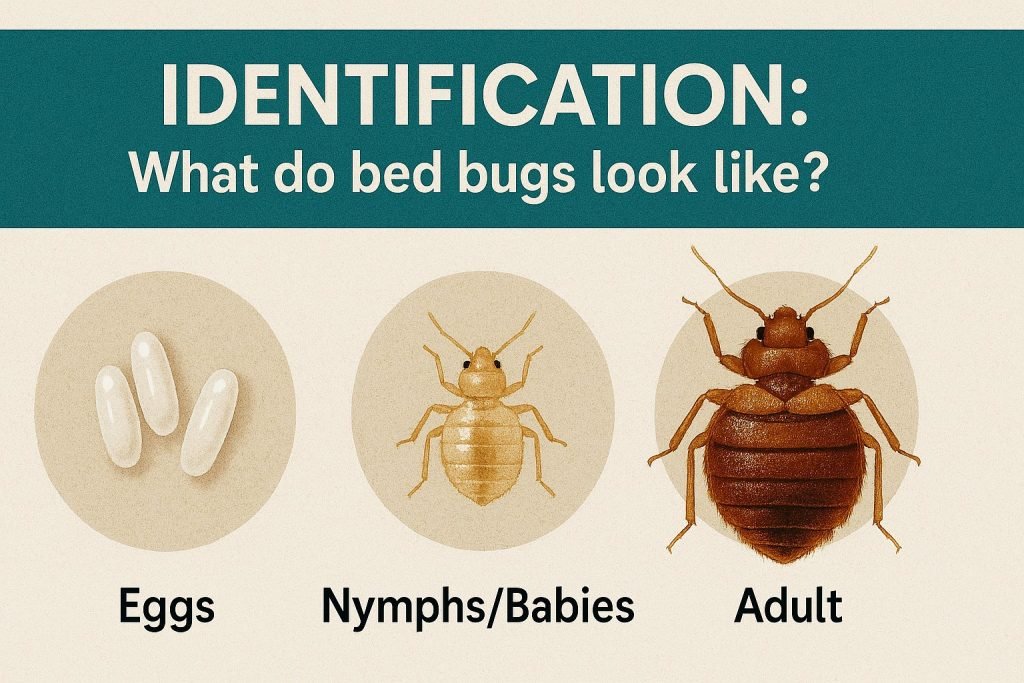
Nymphs (baby bed bugs) need blood to molt and grow into adults.
How Often Do Bed Bugs Feed?
Bed bugs typically feed every 5 to 10 days.
But here’s the kicker: They’re sneaky.
They come out at night, attracted by your body heat and the carbon dioxide you exhale.
After feeding for about 5-10 minutes, they retreat to their hiding spots—think mattress seams, box springs, and cracks in your bed frame.
Where Do Bed Bugs Hide?
Bed bugs are masters of hide-and-seek.
They love tight spaces like:
- Mattress and box spring seams
- Cracks and crevices in bed frames
- Baseboards and headboards
- Luggage and suitcases (yep, they’re great hitchhikers)
If you’re dealing with a bed bug infestation, these are the first places you should check.
Can Bed Bugs Eat Anything Else?
Nope. Bed bugs feed on blood and nothing else.
While humans are their favorite hosts, they can also feed on other warm-blooded animals like birds and rodents.
But don’t worry—your pet goldfish is safe.
How to Spot the Signs of Bed Bugs
Wondering if you have a bed bug problem? Look for these telltale signs:
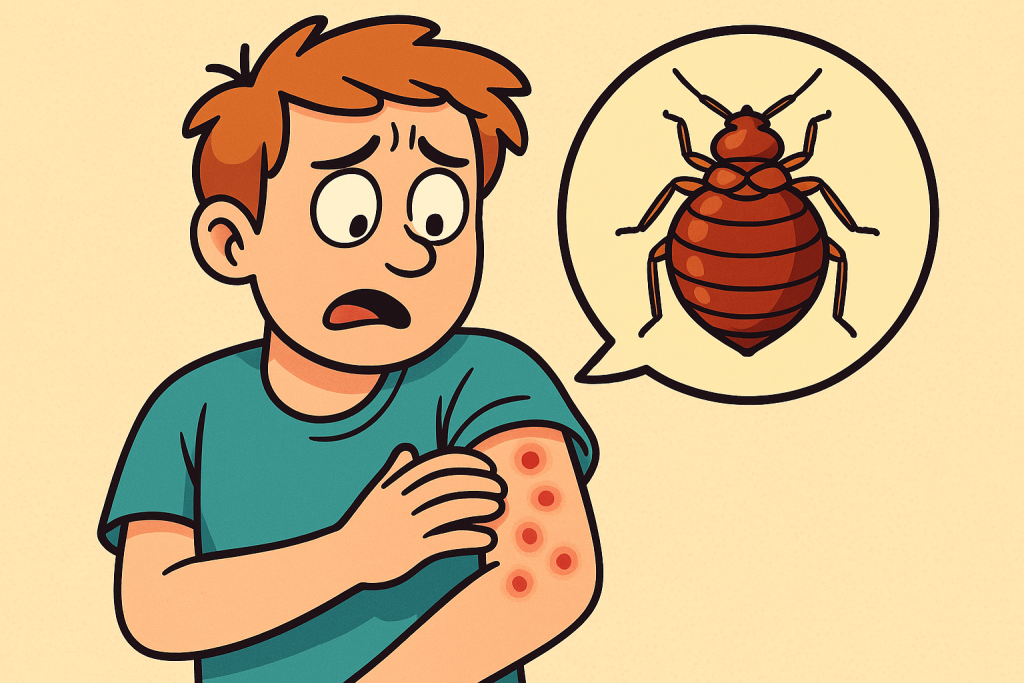
- Itchy welts or bites on your skin, often in a line or cluster
- Tiny blood stains on your bed sheets
- Dark spots (bed bug droppings) on your mattress or bedding
- Shed skins from nymphs
If you spot any of these, it’s time to take action.
How to Control Bed Bugs: Tips That Actually Work
Dealing with bed bugs can feel like a nightmare, but you’re not powerless.
Here’s how to fight back:
1. Inspect Your Mattress and Box Spring
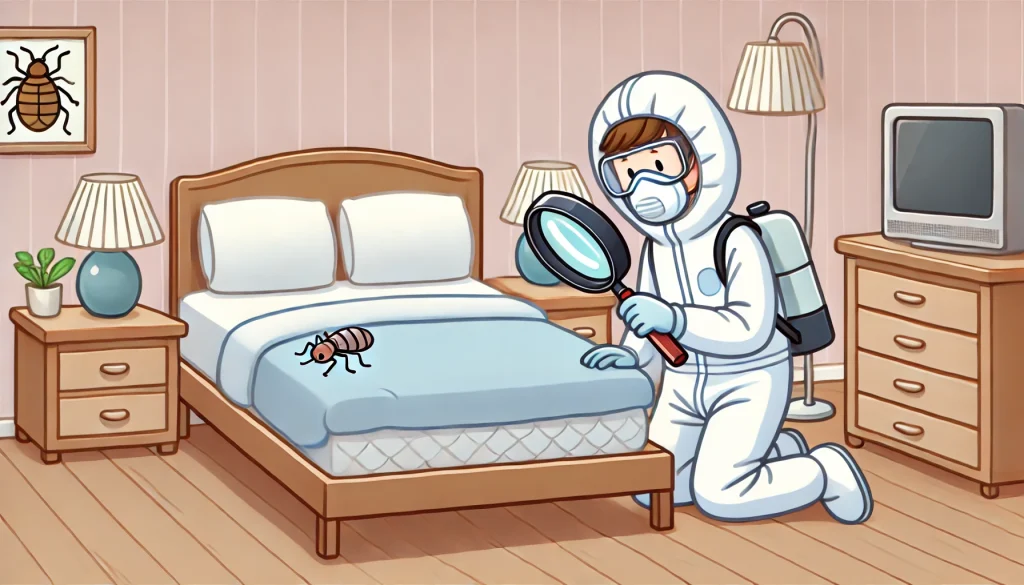
- Use a flashlight to check mattress seams, box springs, and bed frames.
- Look for live bugs, eggs, or dark spots.
2. Encase Your Mattress
- Invest in a bed bug-proof mattress cover.
- This traps any bugs inside and prevents new ones from settling in.
3. Declutter Your Space
- Bed bugs love hiding in clutter.
- Keep your bedroom tidy and move your bed away from walls.
4. Call a Pest Control Professional
- If the infestation is severe, don’t hesitate to call in the experts.
- As pest control professionals, we have the tools and knowledge to eliminate bed bugs for good.
Can Bed Bugs Survive Without Feeding?
Yes, but not forever.
Adult bed bugs can survive for several months without a blood meal.
Nymphs, on the other hand, need to feed to grow and molt.
This is why it’s crucial to act fast if you suspect an infestation.
Common Myths About Bed Bugs
Let’s bust some myths, shall we?
Myth 1: Bed Bugs Only Live in Dirty Homes
False. Bed bugs don’t care if your home is spotless or messy.
They’re attracted to blood, not dirt.
Myth 2: Bed Bugs Transmit Diseases
While their bites can cause red, itchy welts, bed bugs aren’t known to spread diseases.
Still, no one wants these pests in their home.
Myth 3: Bed Bugs Are Too Small to See
Not true. Adult bed bugs are about the size of an apple seed and visible to the naked eye.
How to Prevent Bed Bugs from Coming Back
Once you’ve dealt with a bed bug infestation, the last thing you want is a repeat performance.
Here’s how to keep them at bay:
- Inspect secondhand furniture before bringing it into your home.
- Wash and dry your bedding on high heat regularly.
- Vacuum your mattress and box spring frequently.
- Be cautious when traveling—check hotel rooms and keep your luggage off the floor.
Final Thoughts: What Do Bed Bugs Eat?
At the end of the day, bed bugs eat one thing: blood.
They’re persistent, annoying, and downright gross, but with the right knowledge and tools, you can take control.
If you’re dealing with a bed bug infestation, don’t panic.
Follow the tips above, and don’t hesitate to call us. (386) 957-1023
Remember, bed bugs may be tough, but you’re tougher.